Beyond the Apron: What Every Kitchen and Hospitality Staff Member Should Wear
Why Restaurant Chef Uniforms Matter for Your Kitchen and Brand
Restaurant chef uniforms are more than just clothing—they’re essential tools that protect your staff, lift your brand, and signal professionalism to every customer who walks through your door. Whether you’re outfitting a casual bistro or a fine dining establishment, the right uniforms combine safety, functionality, and style to create a cohesive team appearance.
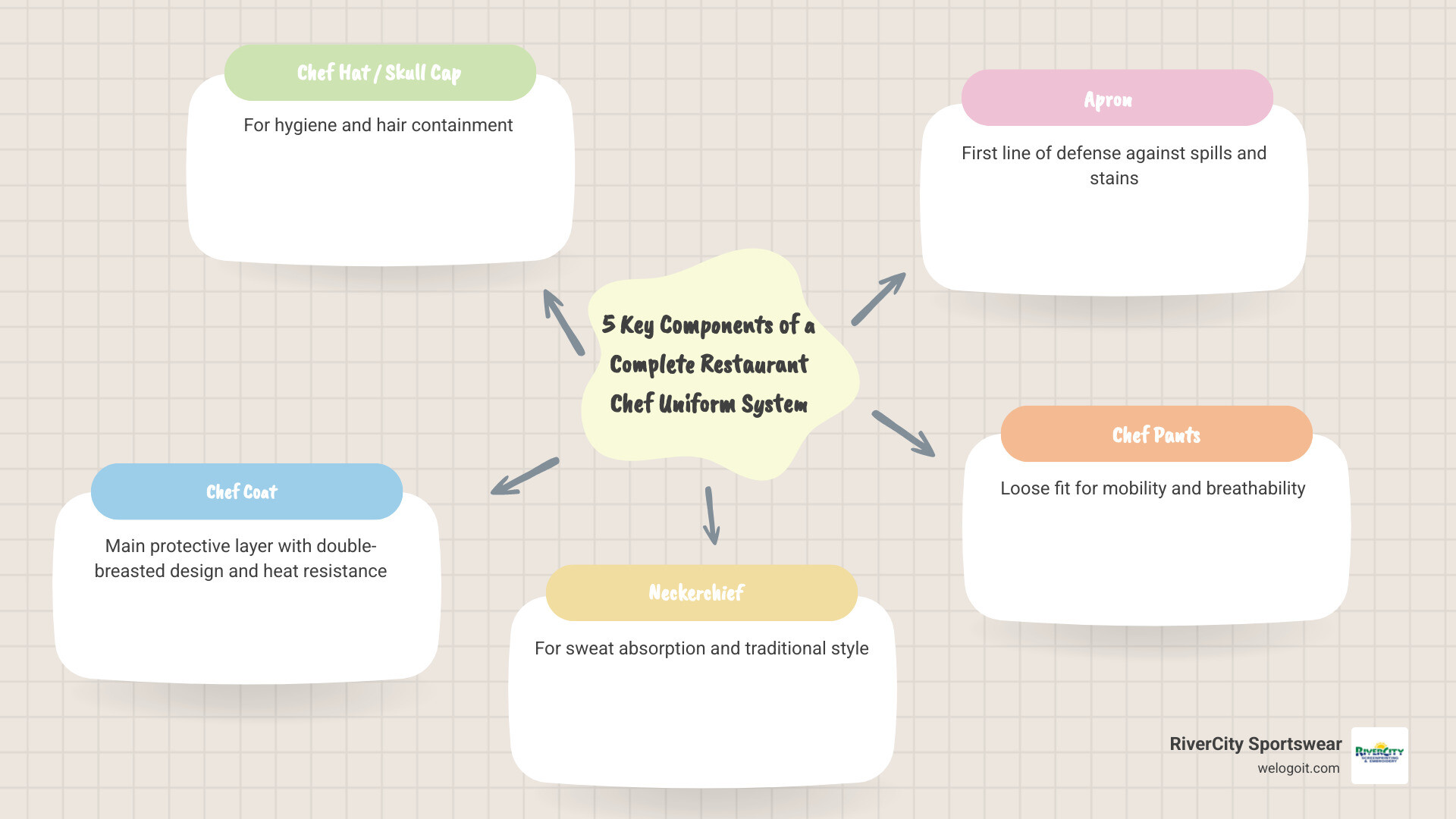
Essential Components of Restaurant Chef Uniforms:
- Chef Coat – Double-breasted, heat-resistant, reversible for stain coverage
- Chef Pants – Loose-fitting, breathable, often checkered to hide stains
- Apron – Primary protection from spills, burns, and stains
- Headwear – Toques, skull caps, or beanies for hygiene and hair containment
- Safety Shoes – Slip-resistant, comfortable for long shifts
- Neckerchief (optional) – Absorbs sweat and adds traditional style
The culinary uniform has evolved significantly from its traditional French origins, but its core purposes remain unchanged: protecting kitchen staff from burns and spills, maintaining hygiene standards, and presenting a professional image that builds customer trust. Modern uniforms now incorporate advanced fabric technologies like moisture-wicking materials and cooling systems, making them more comfortable for the demanding conditions of a busy kitchen.
According to industry research, thousands of companies across North America trust their brand image to quality uniforms, recognizing that what your team wears directly impacts how customers perceive your establishment. A well-dressed kitchen staff doesn’t just look professional—they feel professional, which translates to better morale, stronger team unity, and ultimately, better service.
As Luke Sanders, CEO of RiverCity Screenprinting & Embroidery for over 15 years, I’ve worked with countless restaurants and hospitality businesses to create custom restaurant chef uniforms that balance durability, comfort, and brand identity. Our team has helped outfit kitchen and front-of-house staff across Texas, understanding how the right uniform makes a measurable difference in both safety and presentation.
The Anatomy of a Professional Chef Uniform
Let’s explore the core components of a chef’s uniform. Each piece serves a specific, vital purpose in the demanding environment of a professional kitchen. It’s a bit like a culinary superhero suit, designed to protect, perform, and present!
The Chef Coat (Veste de Cuisine)
The chef coat is arguably the most iconic piece of restaurant chef uniforms. Its design is steeped in tradition, but its functionality is timeless. The classic double-breasted style isn’t just for show; it allows the chef to reverse the front to hide stains, maintaining a clean appearance even during the busiest service. Those traditional knot buttons? They’re not just charming; they’re designed to withstand the heat and frequent washing that a chef’s coat endures.
Traditionally made from heavy cotton fabric, chef coats offer crucial insulation against the intense heat of stoves and ovens, and protection from splashes of hot liquids. Modern variations, like lightweight or short-sleeve options, still prioritize these protective qualities while enhancing comfort. Whether you prefer the classic look or something more contemporary, the chef coat is your first line of defense. For more information on creating unique apparel for your team, explore our options for custom clothing.
Chef Pants and Trousers
While often overlooked, chef pants are just as critical as the coat. Their typically baggy fit isn’t a fashion statement; it’s a practical design choice that allows for maximum air circulation, keeping chefs cooler in hot kitchens. This looser fit also provides unrestricted movement, which is essential when navigating a busy kitchen with speed and precision.
The classic checkered pattern, often seen on chef pants, isn’t accidental either. It’s brilliant at hiding stains—a small but mighty detail that helps maintain a professional appearance throughout a long shift. Beyond aesthetics, chef pants are made from durable materials designed to withstand the rigors of daily kitchen work, offering heat protection and comfort. When considering uniform options for your staff, don’t forget the importance of well-designed chef pants. You can learn more about employee uniform options that blend functionality with style.
Aprons: The First Line of Defense
Think of the apron as your culinary shield. It’s the primary barrier between your chef coat (and clothes beneath) and the inevitable spills, splatters, and splashes that occur in a kitchen. Aprons come in various styles, each suited for different roles and preferences:
- Bib Aprons: Covering the chest to the knees, these offer maximum protection. They’re perfect for line cooks, dishwashers, and anyone facing constant exposure to potential messes.
- Waist Aprons: Shorter, covering only from the waist down, these are often favored by servers or bartenders for a more refined look while still offering protection for pants and a convenient place for pockets.
- Bistro Aprons: Similar to waist aprons but often longer, sometimes reaching the ankles, providing a sophisticated touch, especially in front-of-house roles.
- Cross-back Aprons: These innovative styles distribute weight across the shoulders, reducing neck strain, making them a comfortable choice for long shifts.
Many aprons also come with added pockets, incredibly useful for holding order pads, pens, thermometers, or even a small towel. They are indispensable for maintaining cleanliness and professionalism.
Apron Styles for Different Roles:
- Line Cook: Bib Apron (for maximum protection against heat and spills)
- Pastry Chef: Bib Apron (to protect against flour, sugar, and dough)
- Dishwasher: Heavy-duty Bib Apron (for water and chemical resistance)
- Server: Waist Apron or Bistro Apron (for a polished look and carrying essentials)
- Bartender: Waist Apron or Bistro Apron (for quick access to tools and a stylish presentation)
Headwear: From Toque to Beanie
Headwear in the kitchen serves a dual purpose: hygiene and tradition. The classic tall white toque blanche, often associated with executive chefs, was historically a symbol of rank and experience. More practically, it helps contain hair, preventing it from falling into food—a crucial hygiene standard.
Beyond the traditional toque, modern kitchens often see skull caps, beanies, or head wraps. These options still effectively contain hair and absorb sweat, keeping it out of the chef’s eyes and off the food. In the hot and kitchens of Central Texas, keeping cool and hygienic is paramount, making headwear an essential component of any restaurant chef uniform.
Accessories: Neckerchiefs and Shoes
While often optional today, the neckerchief has a historical and practical role. Worn around the neck, it absorbs sweat, helping to keep the chef cooler and more comfortable. It’s a small detail that can make a big difference during a scorching Texas summer service.
Safety shoes, however, are non-negotiable. Kitchen floors can be slick with spills, and dropped knives or heavy pots are a constant hazard. Professional chef shoes are designed with:
- Slip-resistant soles: To prevent dangerous falls on wet or greasy surfaces.
- Comfort: Ergonomic designs and cushioned insoles are vital for chefs who spend 10-14 hours on their feet.
- Toe protection: Reinforced toes, often steel or composite, guard against falling objects.
Investing in high-quality, comfortable, and protective footwear is investing in your team’s well-being and safety.
Why Professional Uniforms are a Recipe for Success
A professional uniform is far more than just clothing; it’s a strategic asset for any restaurant. It speaks volumes about your establishment, impacting everything from safety to your brand’s reputation in Austin, San Marcos, and across South Texas.
Safety and Hygiene in the Kitchen
The kitchen is a battlefield of heat, sharp objects, and hot liquids. This is where the protective qualities of restaurant chef uniforms truly shine. Flame-resistant materials in chef coats offer crucial protection against burns, while heavy cotton fabrics can absorb spills and provide a buffer against hot surfaces. A chef coat’s long sleeves and thick material act as a shield, minimizing direct contact with potential hazards.
Beyond physical protection, uniforms are paramount for hygiene. A clean uniform signifies a clean kitchen. It helps prevent cross-contamination by providing a fresh, designated garment for food preparation. When our team at RiverCity Sportswear helps a restaurant in Texas outfit its staff, we emphasize materials that are easy to clean and maintain, supporting the highest cleanliness standards. This commitment to hygiene helps assure customers that their food is prepared safely and carefully.
Building Your Restaurant’s Brand Image

What your staff wears is an immediate visual representation of your brand. A cohesive, professional uniform builds trust and improves customer perception. Imagine walking into a restaurant in San Marcos where every staff member, from the host to the chef glimpsed through the pass, is impeccably dressed in branded attire. It communicates attention to detail, quality, and a unified vision.
Industry experts highlight that a uniform is a powerful tool for distinguishing your kitchen and building a premium brand image. We’ve seen how a well-designed uniform, perhaps with a custom embroidered logo, can lift a restaurant’s presence in the competitive culinary scene of Austin. It’s a silent, yet powerful, marketing tool that reinforces your identity. To explore how custom design can transform your team’s look, check out our insights on company uniform design.
Fostering Team Unity and Professionalism
Uniforms create a sense of belonging and equality among staff. When everyone wears the same professional attire, it can reduce workplace friction by minimizing status distinctions based on personal clothing choices. This fosters a stronger team dynamic, where individuals feel like part of a collective unit working towards a common goal.
This sense of unity and shared identity can significantly boost employee morale. When staff feel proud of their appearance and their team, it translates into a more positive and productive work environment. We’ve observed this repeatedly with our clients across Central Texas; a sharp uniform instills pride, which in turn improves professionalism and service. Recognizing your employees with custom products, including their uniforms, can further strengthen this bond, as discussed in our article on custom products for employee recognition.
How to Select the Perfect Restaurant Chef Uniforms
Choosing the ideal restaurant chef uniforms for your team involves a careful balance of practical considerations, aesthetic preferences, and budget. It’s not just about what looks good, but what performs best in the unique environment of your kitchen and dining room.
Material and Fabric Technology
The choice of material is paramount for chef uniforms. Traditional cotton is breathable and absorbent, making it a comfortable choice, but it can wrinkle easily and may not be the best for stain resistance. Poly-cotton blends, on the other hand, offer a great balance: they’re more durable, wrinkle-resistant, and often come with stain-release finishes, which are a godsend in a busy kitchen.
Modern fabric technology has revolutionized chef wear. You’ll find materials designed for:
- Breathability: Lightweight fabrics and mesh panels strategically placed in high-heat areas (like the back or underarms) help keep chefs cool.
- Durability: Materials that withstand countless washes and the wear and tear of a demanding job.
- Stain-release fabrics: These are treated to repel liquids and make stains easier to wash out, maintaining a professional appearance longer.
- Cooling technology and moisture-wicking: These advanced fabrics draw sweat away from the body, helping regulate temperature and keep chefs dry and comfortable. This is particularly beneficial in the humid Texas climate.
These innovative technologies ensure chefs in Austin and beyond can perform at their peak without being hampered by discomfort.
The Importance of Comfort in Restaurant Chef Uniforms
Comfort isn’t a luxury; it’s a necessity for chefs who spend incredibly long hours on their feet in high-pressure environments. A comfortable uniform directly impacts performance and productivity.
- Fit and Mobility: Uniforms should allow for a full range of motion without being restrictive. A good fit means chefs can bend, lift, and move quickly without their uniform getting in the way or causing chafing.
- Lightweight Options: Heavy fabrics can be exhausting. Lightweight chef coats and pants, especially with vented mesh panels, significantly reduce heat stress.
- Impact on Performance and Productivity: When a chef is comfortable, they can focus on their craft. Discomfort leads to distraction, fatigue, and potentially, decreased efficiency and increased risk of accidents.
We understand that a chef’s uniform is part of their essential tools. Our focus is on providing high-quality apparel that supports your team’s comfort and performance throughout their demanding shifts.
Front-of-House vs. Back-of-House Styles
The uniform needs for your kitchen staff (Back-of-House or BOH) differ significantly from those of your servers, hosts, and bartenders (Front-of-House or FOH).
| Feature | Back-of-House (BOH) Uniforms | Front-of-House (FOH) Uniforms |
|---|---|---|
| Primary Focus | Safety, durability, functionality, hygiene | Brand aesthetic, customer interaction, style, comfort |
| Key Components | Chef coats, baggy pants, aprons, headwear, safety shoes | Dress shirts, polos, vests, blazers, skirts/trousers, aprons (waist/bistro), comfortable dress shoes |
| Material Needs | Heat resistance, stain resistance, breathability, easy-care | Wrinkle resistance, comfortable stretch, professional appearance |
| Color/Style | Often white or traditional patterns for cleanliness; practical, less focus on overt style | Reflects restaurant’s decor/brand; more varied colors, sophisticated cuts |
| Customization | Subtle logos, often on sleeves or chest | Prominent logos, name tags, more opportunities for stylish embroidery |
For BOH, the priority is protection from the elements of the kitchen, while for FOH, the uniform is a direct extension of the dining experience and your brand. For high-quality options for your FOH team, you might explore various custom apparel options that blend style and practicality.
Latest Trends in Uniform Design
The world of restaurant chef uniforms is far from static. While classics endure, new trends are constantly emerging, driven by a desire for greater comfort, sustainability, and modern aesthetics.
- Modern Color Palettes: Beyond traditional white, we’re seeing more restaurants in Texas opt for chef coats and aprons in sophisticated grays, blacks, blues, and even earthy tones to match their interior design or brand identity.
- Denim Fabrics: Durable and stylish, denim is making its way into aprons and even chef coats, offering a rugged yet chic look, particularly popular in casual dining or gastropubs.
- Custom-Fit Styles: Gone are the days of one-size-fits-all baggy uniforms. More custom, yet still comfortable, fits are becoming popular, ensuring staff look sharp without sacrificing mobility.
- Sustainable Materials: As environmental consciousness grows, uniforms made from organic cotton, recycled polyester, or other eco-friendly fabrics are gaining traction.
- Short-Sleeve Coats: For warmer climates like ours, short-sleeve chef coats are a practical trend, providing comfort while maintaining a professional appearance.
- Athleisure-Inspired Comfort: Elements from athletic wear, such as stretchy fabrics, breathable mesh, and ergonomic designs, are being incorporated into chef uniforms for improved comfort and flexibility.
These trends allow restaurants to express their unique brand personality while ensuring their staff are comfortable and performing at their best.
The Finishing Touch: Customization and Personalization
Once you’ve selected the perfect base uniform, the real magic happens with customization. This is where your restaurant chef uniforms stop being generic apparel and start becoming a powerful extension of your brand identity.
Why Custom Embroidery Lifts Your Brand
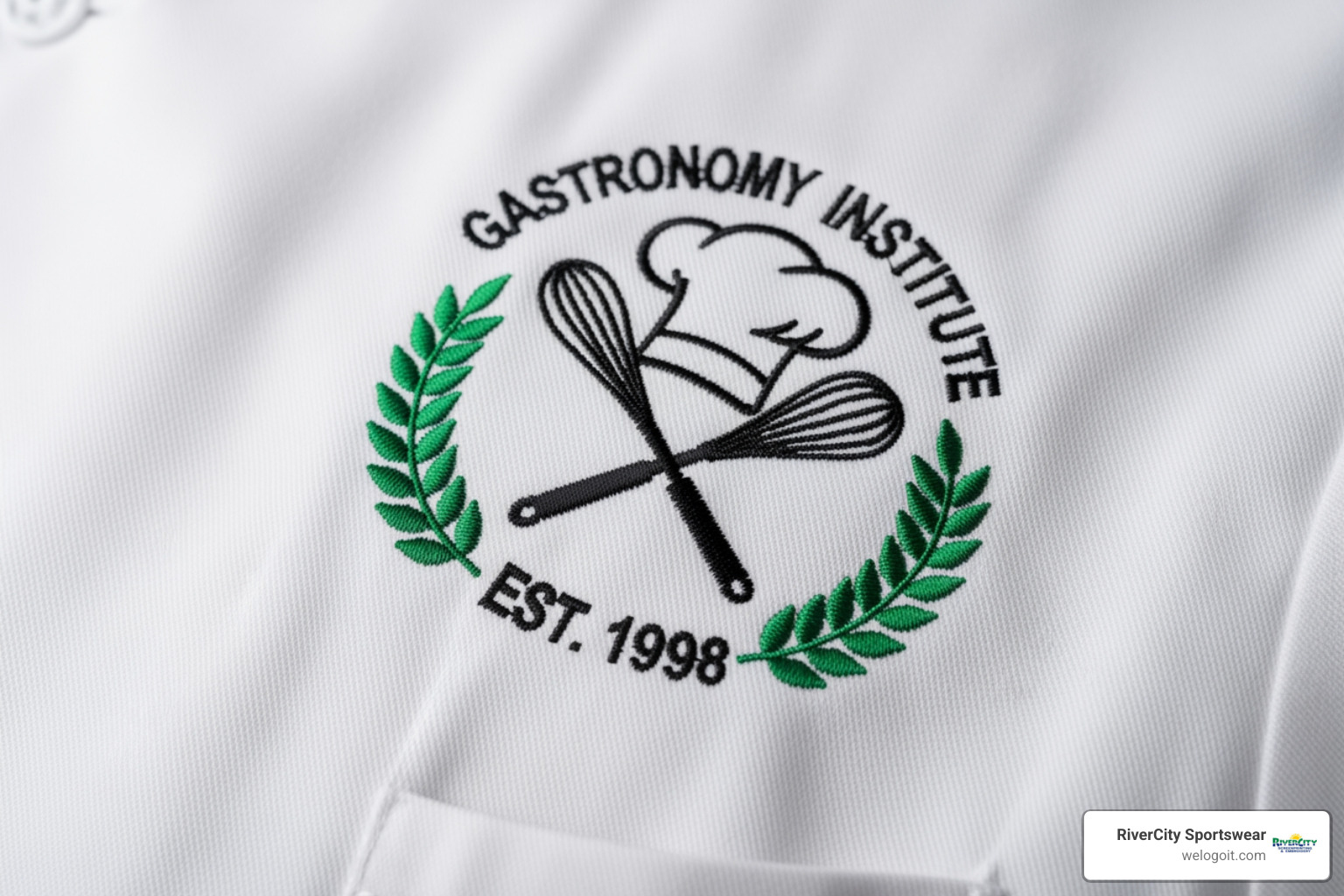
Custom embroidery is the gold standard for adding logos, names, and designs to uniforms. It offers a premium, sophisticated finish that screen printing often can’t match.
- Perceived Value: An embroidered logo instantly lifts the perceived quality of the uniform and, by extension, your restaurant. It speaks to professionalism and attention to detail.
- Durability: Embroidery is incredibly long-lasting. Unlike printed designs that can crack or fade over time, embroidery withstands countless washes and the rigors of kitchen life, maintaining its crisp look for years.
- Professional Finish: The textured, raised appearance of an embroidered design adds a tactile quality that feels luxurious and polished.
For restaurants in Austin, Dallas, or anywhere in Texas, a beautifully embroidered logo on a chef coat or apron makes a lasting impression on customers and instills pride in your team. We specialize in chef coat embroidery and can guide you through the process, from design to execution. To understand the intricacies of this craft, you can also read an overview of embroidery.
Personalizing Your Restaurant Chef Uniforms
Beyond just your restaurant’s logo, there are many ways to personalize restaurant chef uniforms to create a truly unique and professional look:
- Employee Names: Adding an embroidered name to a chef coat or server shirt creates a personal connection with guests and fosters a sense of individual ownership for the staff.
- Job Titles: Clearly identifying roles (e.g., “Executive Chef,” “Sous Chef,” “Pastry Chef”) can streamline communication in a busy kitchen and improve professionalism.
- Custom Patches: For a more rugged or thematic look, custom embroidered patches can be applied to sleeves or aprons, offering flexibility in design and placement.
These personal touches not only improve your brand but also make your employees feel valued and recognized. We help businesses across Texas create custom embroidered business apparel that truly represents their unique identity. If you’re considering custom patches, we also offer insights into custom patches.
Screen Printing vs. Embroidery for Apparel
When it comes to customizing uniforms, the two primary methods are screen printing and embroidery. Each has its strengths, and the best choice depends on your specific needs, budget, and design.
- Cost Considerations: Generally, screen printing can be more cost-effective for large, simple designs and bulk orders, as the setup cost is spread across many items. Embroidery might have a higher per-item cost, especially for intricate designs or smaller quantities.
- Design Complexity: Screen printing is excellent for designs with large areas of solid color or gradients. Embroidery excels with intricate details, small text, and a high-quality, textured finish.
- Fabric Suitability: Screen printing works well on most fabrics, especially smooth surfaces. Embroidery is versatile and looks fantastic on chef coats, aprons, hats, and heavier fabrics.
- Longevity: As mentioned, embroidery is incredibly durable and holds up well to frequent washing and wear. Screen printing’s longevity can vary depending on the quality of the print and the garment care.
For a detailed comparison to help you make the right choice for your restaurant, explore our guide on screen printing vs. embroidery. Our team at RiverCity Sportswear works with restaurants throughout San Marcos, Austin, and South Texas to determine the best customization method for their specific restaurant chef uniforms.
Conclusion
The journey “beyond the apron” reveals that a well-chosen and professionally customized uniform is an investment in your brand, your staff, and your customers’ experience. From the safety of a thick cotton coat protecting against kitchen hazards to the brand statement of an neatly embroidered logo, every element matters. By prioritizing functionality, comfort, and a design that reflects your restaurant’s identity, you create a cohesive and professional environment where your team can perform at their best.
A high-quality restaurant chef uniform ensures your culinary and hospitality team is safe, comfortable, and unified, projecting an image of excellence to every guest. For businesses in San Marcos, Austin, and across Central and South Texas looking to create high-quality, custom apparel that stands out, RiverCity Sportswear offers expert design support and fast turnaround to bring your vision to life. We pride ourselves on exceptional customer service and personalized design support, ensuring your uniforms are as unique and professional as your cuisine.
Ready to design the perfect uniform for your team? Explore our custom embroidery services today!
Original Post: Beyond the Apron: What Every Kitchen and Hospitality Staff Member Should Wear


Comments
Post a Comment